Smiling Alarm Clock: A Seasonal Embroidery Review
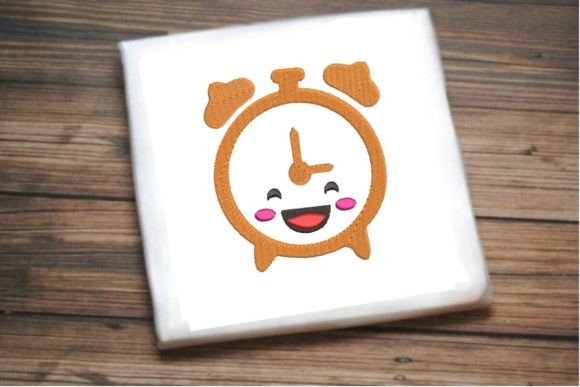
As an experienced embroidery designer planning my upcoming seasonal collection, I am constantly evaluating which digital assets will translate best into profitable, high-quality finished products. When reviewing the Smiling Alarm Clock machine embroidery design, my immediate focus is on its versatility across different holiday and back-to-school markets. This charming children’s wake-up call motif offers a unique emotional hook that goes beyond standard seasonal clip art. It strikes a balance between nostalgic vintage aesthetics and modern playful cheer, making it a strong candidate for shop owners looking to expand their inventory with items that feel both festive and functional.
Evaluating Seasonal Mood and Emotional Tone
The first impression of this design is undeniably cheerful. In the context of holiday embroidery and seasonal product drops, emotion drives sales. The smiling face on the alarm clock evokes feelings of warmth, routine, and family life. Unlike generic snowflakes or pumpkins, this design tells a story about morning rituals and cozy beginnings. For an Etsy seller or small shop product creator, this narrative quality is essential. It suggests comfort and reliability, which are key selling points during the chaotic holiday season.
From a stylistic perspective, the Smiling Alarm Clock fits seamlessly into multiple aesthetic categories. It works beautifully for a rustic farmhouse kitchen theme when stitched in muted earth tones, yet it transforms into a vibrant, modern nursery accent when using bright primary thread colors. This chameleon-like quality makes the embroidery file incredibly valuable for makers who serve diverse customer bases. Whether you are creating personalized gifts for new parents or decorative home goods for holiday shoppers, the design maintains a premium, handcrafted feel without appearing overly juvenile.
Strategic Product Applications for Holiday Sales
When building a seasonal collection, I look for designs that can be applied across various substrates to maximize return on investment. The Smiling Alarm Clock performs exceptionally well in several real-world selling situations:
- Sweatshirt Embroidery: As we transition from Back To School into the colder holiday months, crewneck sweatshirts remain a top seller. Placing this design as a left-chest logo creates a subtle, cozy statement piece perfect for moms and teachers. The rounded shape of the clock complements the curvature of the garment naturally.
- Kitchen Towel Embroidery: Holiday baking and family gatherings make kitchen linens a staple gift item. This design adds a whimsical touch to flour sack towels or waffle-weave fabrics. It pairs perfectly with text like "Morning Coffee" or "Holiday Baking," increasing the perceived value of the handmade gift.
- Tote Bag Design: For craft fair displays and market prep, canvas tote bags featuring this cheerful clock attract attention. They serve as excellent packaging alternatives for gift bundles or as standalone eco-friendly holiday shopping bags.
- Pillow Cover and Home Decor: Throw pillows are high-margin items during Q4. An embroidered pillow cover featuring this design can anchor a seasonal vignette. The central composition of the clock allows for easy placement on square or lumbar cushions.
- Embroidered Patch: For those focusing on apparel customization, converting this design into a patch format opens up sales to denim jacket and backpack decorators. Patches allow customers to personalize items without committing to permanent stitching directly onto expensive garments.
Technical Considerations and Fabric Limitations
While the Smiling Alarm Clock is visually appealing, professional execution requires careful technical planning. Not every fabric texture or hoop size will yield a retail-ready result. As designers, we must anticipate where issues might arise before listing a finished product.
Small Hoop Sizes and Detail Loss: If you plan to offer this design in smaller formats for baby bibs or shirt cuffs, scrutinize the facial features. Tiny lettering or intricate shading stitches can become muddy if reduced too aggressively. Always verify that the minimum recommended hoop size supports the level of detail present in the original embroidery file. If the smile or eyes lose definition at 3x3 inches, reserve this design for larger applications.
Fabric Texture and Stabilizer: The success of this design relies heavily on proper stabilization. On thick terry cloth towels or plush fleece, the stitches can sink into the pile, obscuring the charming expression. Using a water-soluble topping is non-negotiable here to keep the design crisp. Conversely, on stretchy knits used for sweatshirt embroidery, a cut-away stabilizer is essential to prevent puckering around the circular elements of the clock face.
Thread Colors and Metallic Accents: While metallic threads can add holiday sparkle, they also increase friction and breakage risk. If incorporating gold or silver accents into the clock hands or bells, test extensively first. Ensure the stitch density is adjusted to accommodate thicker metallic threads, or use them only for outline details rather than fill areas. Dark fabrics require adequate underlay to prevent the background color from bleeding through lighter thread sections, which would dull the cheerful aesthetic.
Enhancing Buyer Engagement and Shop Value
In the competitive landscape of commercial embroidery and digital downloads, visual presentation dictates conversion rates. The Smiling Alarm Clock influences buyer emotion by triggering positive associations with childhood and holiday mornings. To leverage this, your marketing materials must reflect the same warmth found in the stitch-out.
Create realistic printable mockups that show the design in context. A flat digital image does not sell the tactile nature of embroidery. Instead, photograph a stitched sample on a wrinkled linen napkin or worn on a cozy sweater. These lifestyle images build customer trust and demonstrate the actual scale and texture of the work. For Etsy sellers, highlighting the "handmade" aspect in your listing photos helps justify premium pricing over mass-produced alternatives.
Furthermore, consider how this design supports brand consistency. If your shop specializes in nostalgic or cottage-core aesthetics, this clock reinforces that identity. Consistency breeds recognition; when customers see your signature style applied to new seasonal items, they are more likely to purchase. The design’s inherent giftability also encourages bundle purchases. Pairing a clock-embroidered mug rug with a matching tea towel creates a curated gift set that increases average order value during peak holiday shopping periods.
Essential Designer Notes for Production Success
Before adding the Smiling Alarm Clock to your production queue or digital storefront, adhere to these practical checkpoints to ensure quality and compliance:
- Test Stitch-Outs are Mandatory: Never assume a digital embroidery file will run perfectly on every machine. Run a test on both light and dark fabric scraps to evaluate coverage and registration. Check specifically for gaps between outlines and fills, which can ruin the polished look required for holiday sales.
- Verify Licensing Terms: Before selling any finished product or the file itself, confirm the commercial licensing terms provided by the original digitizer. Ensure you have the right to sell physical embroidered goods versus just personal use rights. Respecting intellectual property protects your business reputation.
- Optimize Color Palettes: Plan your thread colors to match current seasonal trends. While traditional red and green work for Christmas, consider navy and cream for a sophisticated winter look, or pastels for early spring transitions. Having pre-planned palettes speeds up production and ensures cohesive shop listings.
- Review Small Details Post-Stitch: After washing and drying your test sample, inspect the design again. Some distortions only appear after laundering. If the smile distorts or the fabric tunnels, adjust your tension or stabilizer choice before committing to bulk production.
- Check File Specifications: Since specific stitch counts and formats vary, always check the included documentation for the Smiling Alarm Clock design. Confirm compatibility with your machine format and ensure the dimensions fit your intended hoop size without requiring manual resizing that could compromise stitch integrity.
By approaching the Smiling Alarm Clock with both creative enthusiasm and technical discipline, you transform a simple graphic into a cornerstone of your seasonal product line. This design offers the charm necessary to capture holiday hearts while providing the versatility needed to sustain a profitable embroidery business throughout the changing seasons.