Cute Rabbit Letter F: A Designer’s Stitch Review
As an embroidery designer who has stitched out thousands of files for both personal joy and commercial client work, I approach every new machine embroidery design with a critical eye. It is not enough for a file to simply look good on a screen; it must perform under the needle. When evaluating the Cute Rabbit Letter F, my primary focus is on how this whimsical monogram translates from a digital asset to a tangible, high-quality finished product. This design sits squarely in the intersection of nursery charm and functional typography, making it a versatile contender for various projects.
First Impressions and Visual Personality
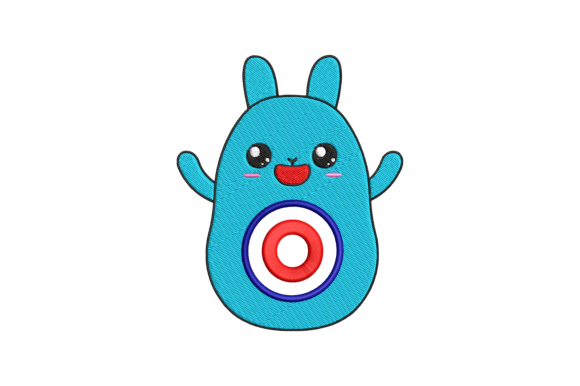
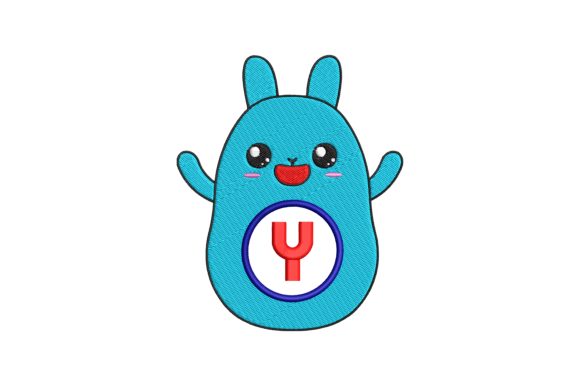
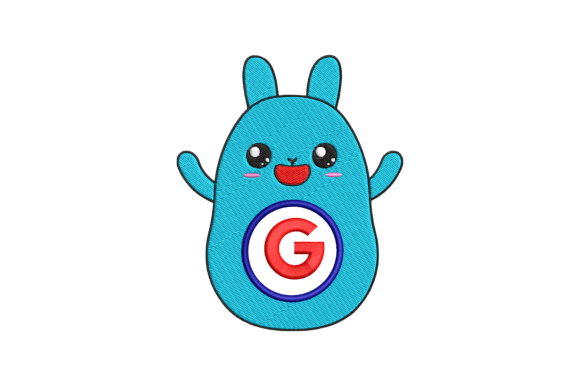
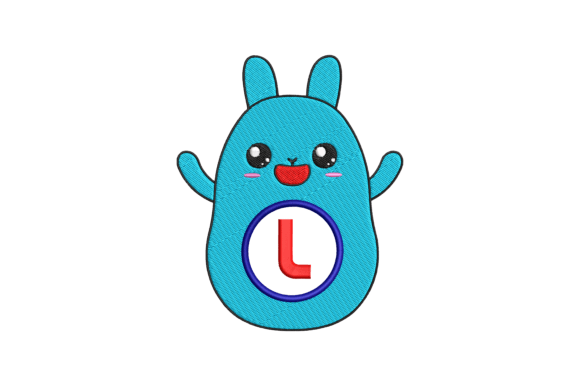
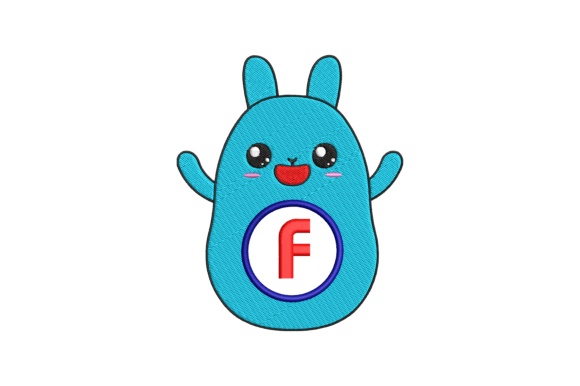
Upon opening the embroidery file, the immediate impression is one of soft elegance rather than cartoonish simplicity. The integration of the rabbit motif into the letterform creates a cohesive silhouette that feels intentional, not pasted on. For those of us in the craft business or running an Etsy shop, this distinction matters. Customers can tell when a design is thoughtfully composed versus when elements are merely layered. The mood is gentle and nostalgic, which immediately signals its best applications: baby items, personalized gifts, and boutique-style apparel.
The balance between the negative space and the stitch areas suggests that this design will maintain clarity even at smaller sizes, though I always recommend verifying specific dimensions before committing to a project. The visual weight appears evenly distributed, which is crucial for preventing puckering on lighter fabrics. As a tote bag design or a centerpiece for a bib, the personality of the Cute Rabbit Letter F offers enough character to stand alone without needing excessive additional embellishments.
Real-World Application: The Custom Sweatshirt Test
To truly judge the viability of this design, I mentally placed it in a real-life scenario: creating a custom embroidered sweatshirt for a toddler’s first day of preschool. While categorized under Back To School, the aesthetic transcends seasonal trends, making it suitable for year-round custom apparel.
In this application, the design needs to withstand the stretch of fleece while maintaining legibility. If the Cute Rabbit Letter F utilizes a combination of satin stitch borders and fill stitch interiors, it provides excellent coverage on knit fabrics. However, if the design relies heavily on delicate running stitch details for the rabbit’s features, I would exercise caution on thick, textured fleece where those stitches might get lost. For a sweatshirt project, I would likely position this design on the upper left chest rather than center-front to reduce the hoop area required and minimize fabric distortion. This placement also increases the perceived value of the garment, giving it a professional, boutique-ready appearance that parents love to photograph for social media.
Fabric Compatibility and Stabilizer Strategy
No digital embroidery file exists in a vacuum; its success depends entirely on the substrate. When planning to use Cute Rabbit Letter F, you must consider the interplay between stitch density and fabric texture.
- Woven Cottons and Linens: These are the ideal candidates. Whether you are making a tea towel, pillow cover, or quilt block, the stable weave supports detailed stitching beautifully. Use a medium-weight cut-away or tear-away stabilizer depending on the drape you desire.
- Knits and Stretch Fabrics: For baby onesies or t-shirts, a no-show mesh stabilizer is non-negotiable. You must ensure the design does not have excessive jump stitches that could create bulk against sensitive skin.
- Textured Towels and Terrycloth: If using this as a kitchen towel or bath linen accent, you may need a water-soluble topping to prevent the pile from poking through the stitches. Verify that the design has enough density to hold down the nap of the fabric.
- Sheer or Lightweight Fabrics: Proceed with caution. If the Cute Rabbit Letter F is dense, it may cause dragging or tearing on voile or batiste. Always test on a scrap first.
For Etsy sellers offering personalized items, consistency across different fabric types builds customer trust. Knowing exactly how this design behaves on cotton versus polyester allows you to set accurate expectations in your listing photos and descriptions.
Technical Considerations for Commercial Makers
When incorporating this design into a product line for sale, technical precision protects your reputation. Before listing any item featuring Cute Rabbit Letter F, verify the hoop size requirements against your machine’s capabilities. Just because a design fits your largest hoop does not mean it should be stitched at maximum span; larger spans increase the risk of registration issues.
Pay close attention to thread colors. While the digitizer has assigned default colors, these are suggestions, not rules. For a cohesive brand identity, map the thread palette to your shop’s signature colors. If you are selling design assets or physical patches, ensure the contrast is sufficient. A light grey rabbit on a white background might look elegant digitally but disappear completely in natural lighting photography. Conversely, high-contrast black thread on dark navy fabric can sometimes lose detail definition unless the digitizing includes adequate underlay.
If you plan to use this for commercial embroidery on caps or curved surfaces, check the design’s geometry. Flat designs often distort when wrapped around a cylinder. Unless the Cute Rabbit Letter F is specifically digitized for hats, stick to flat garments and accessories to avoid wasted blanks and frustrated customers.
Elevating Product Value Through Presentation
The difference between a hobbyist project and a premium handmade product often lies in the finishing. When using this design for holiday embroidery or special occasion gifts, presentation is key. Because the design carries an inherent sweetness, pair it with high-quality materials. A cheap polyester bib will diminish the charm of the embroidery, whereas a soft organic cotton elevates it.
For digital product sellers providing printable mockups, ensure your previews accurately represent the stitch texture. Customers need to see that this is embroidery, not vector art. Show the Cute Rabbit Letter F in context—on a folded blanket, pinned to a denim jacket, or framed in a hoop. This helps buyers visualize the end result and reduces pre-sale questions about size and scale.
Essential Pre-Stitch Checklist for Designers
Before you commit this design to a final sellable item or a cherished gift, run through this practical checklist:
- Test Stitch Out: Never skip this step. Use a fabric similar to your final project to check for registration errors, tension issues, or excessive density.
- Verify Licensing: Confirm whether your purchase includes commercial rights for selling finished goods or if it is restricted to personal use. This is vital for small shop product compliance.
- Check Small Details: Inspect the rabbit’s facial features and any fine lines. If they are too thin for your chosen fabric, consider editing the file or selecting a different application.
- Assess Washability: If this is for baby embroidery or frequent-wash items like aprons, ensure the stitch type can withstand laundering without fraying. Satin stitches generally hold up better than complex decorative stitches over time.
- Mockup Validation: Create a black-and-white version of your product photo to test visual hierarchy. Does the letter F still read clearly? Is the rabbit recognizable? If not, adjust your thread contrast.
Ultimately, the Cute Rabbit Letter F is a delightful addition to any embroiderer’s library, provided it is treated with professional respect. By understanding its technical parameters and matching it to appropriate substrates, you transform a simple digital file into a meaningful, marketable piece of textile art. Whether you are crafting a unique personalized gift or building a seasonal collection, let practical testing guide your creative decisions to ensure every stitch counts.