Hello Fifth Grade: Embroidery Design Review
As a professional embroidery designer specializing in commercial merchandise and branded assets, I approach every machine embroidery design with a critical eye toward production viability and brand alignment. When evaluating the Hello Fifth Grade design for small business applications, my focus shifts beyond simple aesthetics to technical performance on various substrates. While categorized under Back To School, this embroidery file possesses versatile characteristics that make it suitable for boutique branding, staff uniforms, and seasonal merchandise. This review analyzes how this design translates from a digital concept to a tangible finished product for entrepreneurs and apparel decorators.
Visual Personality and Brand Alignment
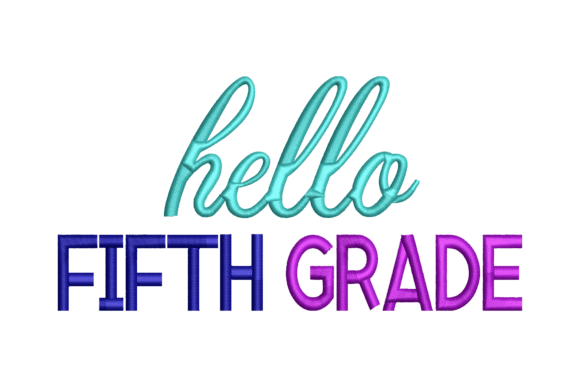
The first impression of Hello Fifth Grade is one of structured elegance mixed with approachable charm. For a small business owner or Etsy seller, this balance is crucial. The design does not feel overly juvenile despite its name; instead, it carries a classic typographic weight that suggests tradition and reliability. In a commercial context, this visual personality works exceptionally well for businesses aiming to project a friendly yet professional image. Whether applied to a bakery apron or a creative studio tote bag, the design communicates warmth without sacrificing legibility.
For brand identity, consistency is key. This design offers a clean aesthetic that pairs well with minimalist logos or rustic handmade labels. It avoids chaotic detailing, which means it can serve as a primary chest logo or a secondary sleeve accent without competing with other design assets. The elegance mentioned in the product description is evident in the lettering flow, making it appropriate for premium custom apparel lines where perceived value matters as much as the actual stitch quality.
Commercial Applications Beyond the Classroom
While the title suggests an educational niche, experienced merch creators know that versatile typography transcends categories. Here is how Hello Fifth Grade performs in real-world business scenarios:
- Staff Uniforms and Aprons: For cafes, florists, and pet groomers, apron embroidery requires durability. This design’s structure allows for high-visibility placement on bibs or waistbands. The lettering is bold enough to be read across a counter, serving as both uniform identification and mobile advertising.
- Retail Tote Bags: A tote bag design must withstand stretching and washing. Because this design emphasizes elegance, it elevates a standard canvas bag into a desirable retail item rather than a disposable giveaway. It works particularly well for bookstores, stationery shops, or children’s boutiques looking for seasonal inventory.
- Patches and Labels: As an embroidered patch, this design can function as a size indicator, a grade-level marker for kids' clothing brands, or a nostalgic collectible. Its potential as a sew-on label for handmade product lines adds a bespoke touch that printed tags cannot replicate.
- Cap Embroidery: Headwear presents unique challenges due to curvature. If the design height is appropriate, it serves as an excellent front-panel graphic for school spirit wear or camp merchandise. The classic styling ensures it remains fashionable regardless of current trends.
Technical Considerations for Production
A beautiful screen view does not guarantee a successful run on fabric. When integrating Hello Fifth Grade into commercial embroidery workflows, specific technical factors demand attention. The description notes that this art form elevates fabric, but achieving that elevation requires understanding stitch density and substrate interaction.
Fabric Texture and Stabilizer Selection
The performance of this digital embroidery file will vary significantly based on fabric texture. On smooth cotton twill or denim, the stitches should lay flat and crisp, showcasing the intended elegance. However, on textured fabrics like linen or pique knit, registration issues may arise. I strongly advise using the correct stabilizer for each application. For stretchy knits used in staff shirts, a cut-away stabilizer is non-negotiable to prevent puckering around the lettering. For caps or structured bags, ensure your backing supports the density without causing needle deflection.
Sizing and Legibility Risks
One area requiring caution is minimum sizing. Elegant scripts or serif fonts often contain thin connecting stitches that can break or disappear if scaled down too aggressively for small patches or sleeve cuffs. Before committing to bulk production, verify the minimum recommended size for this specific embroidery file. Tiny lettering loses impact and can become unreadable thread clumps. Always respect the digitizer's intended scale to maintain the professional finish required for branded merchandise.
Thread Colors and Contrast
Visual hierarchy relies heavily on contrast. Test thread colors against your base garment before finalizing orders. White thread on cream fabric may look elegant digitally but vanish physically. Conversely, dark thread on black uniforms requires a lighter outline or background fill to remain visible. Since this design aims for charm and elegance, avoid neon threads unless they align specifically with a modern rebranding effort. Classic matte rayon or polyester threads typically yield the most premium results for this style.
Strategic Value for Small Business Growth
Investing in quality embroidery is an investment in customer trust. A sloppy stitch-out suggests a lack of attention to detail, whereas a crisp execution of Hello Fifth Grade reinforces professionalism. For Etsy sellers and craft businesses, high-quality photos of this design on actual products serve as powerful social proof. Using a printable mockup during the listing creation phase helps buyers visualize the end result, but nothing replaces the confidence built by showing real small business merch samples.
Furthermore, this design supports visual consistency across multiple touchpoints. Seeing the same elegant typography on a welcome banner, a staff shirt, and a product tag creates a cohesive brand experience. This recognition increases the perceived value of your offerings. Customers are willing to pay more for items that feel curated and professionally finished. By utilizing this design effectively, you transform generic blanks into signature pieces that tell your brand's story.
Designer Notes for Pre-Production Testing
Before loading this design for a full production run, follow this professional checklist to ensure success:
- Verify Licensing: Confirm that your purchase includes commercial rights for selling finished goods. Never assume a personal-use license covers custom apparel sales or branded merchandise.
- Check Hoop Size: Measure the design dimensions in your software and compare them to your available hoops. Ensure there is adequate clearance for the presser foot and hoop movement, especially for cap embroidery or tight spaces.
- Run a Sew-Out Test: Always test on the exact fabric and stabilizer combination you intend to use. Do not rely solely on screen simulation. Inspect the test run for tension issues, gaps, or trimming errors.
- Evaluate Washability: If creating uniforms or aprons, wash and dry the test sample three times. Check for thread shrinkage, color bleeding, or stabilizer residue. Durability is part of the product promise.
- Create Client Mockups: Use the test sew-out to photograph realistic samples for client approval. This manages expectations regarding size, color, and placement better than any digital rendering.
- Compare Against Assets: Place the embroidered sample next to your existing business cards, packaging, and website. Ensure the tone matches. If Hello Fifth Grade feels too formal or too casual compared to your current branding, consider adjusting thread sheen or color palette to bridge the gap.
Ultimately, Hello Fifth Grade represents more than just a back-to-school motif; it is a flexible tool for apparel decorators and business owners. By respecting the technical requirements of machine embroidery and applying strategic branding principles, this design can become a cornerstone asset for your merchandise lineup. Whether you are outfitting a team, launching a seasonal collection, or refining your shop's aesthetic, approaching this file with professional diligence ensures the final output delivers both elegance and commercial value.