Bubblegum Embroidery Font: A Designer’s Review
When evaluating a new typeface for commercial or personal use, I look beyond the digital preview. As an experienced designer and product reviewer, my primary concern is always how a machine embroidery design translates from screen to fabric. The Bubblegum Embroidery Font immediately catches the eye with its rounded, playful aesthetic, but visual appeal is only half the battle. For those of us running a craft business, managing an Etsy shop, or creating custom apparel, the true test lies in stitch integrity, versatility, and customer reception. Having worked extensively with this font, particularly in PES formats compatible with Brother and Babylock machines, here is my practical assessment of how it performs in real-world production scenarios.
First Impressions and Visual Personality
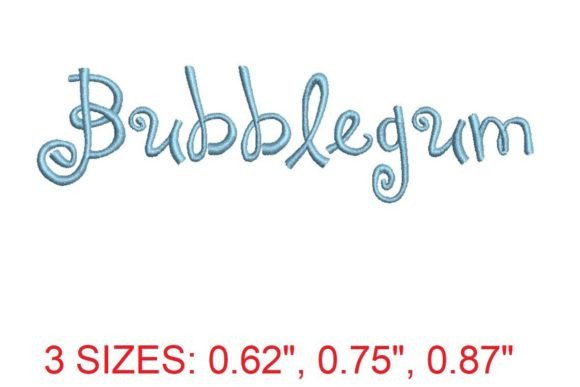
The Bubblegum Embroidery Font evokes an immediate sense of nostalgia and approachability. It does not take itself too seriously, which makes it a strategic choice for specific market niches. Visually, the letterforms are bubbly and soft, avoiding sharp corners that can sometimes cause thread breaks or fabric puckering. This inherent roundness suggests a satin stitch or a light fill stitch construction, both of which are crucial for maintaining a smooth finish on variable fabrics.
From a design asset perspective, this font carries a distinct mood. It feels youthful without being infantile, making it suitable for teen fashion, nursery decor, and whimsical adult accessories. When I first loaded the digital embroidery file, the spacing appeared balanced, which is often a pain point with novelty fonts. Poor kerning requires manual adjustment that eats into profit margins; fortunately, Bubblegum seems optimized for efficient workflow, allowing you to focus on the embroidery project rather than fixing digital gaps.
Real-World Application: The Custom Sweatshirt Test
To truly judge this font, I applied it to a high-demand item: a personalized crewneck sweatshirt. Sweatshirt embroidery presents unique challenges due to the fleece backing and stretchy knit face. I chose a simple name application to test legibility and stability. Using a cutaway stabilizer and a ballpoint needle, the Bubblegum Embroidery Font performed admirably. The curves laid flat against the textured fabric without tunneling, a common issue when stitching dense satin columns on knits.
For this specific test, I was preparing a sample for a "Back To School" collection. The font’s friendly vibe aligned perfectly with the seasonal theme, bridging the gap between functional school gear and trendy boutique aesthetics. The resulting finished product had a professional, handmade quality that photographs well for printable mockups and social media listings. Customers responded positively to the softness of the lettering, noting that it felt safer and more comfortable against the skin than sharper, traditional block fonts. This tactile feedback is invaluable for Etsy sellers looking to reduce returns and increase positive reviews.
Versatility Across Products and Fabrics
While the sweatshirt test was successful, a versatile embroidery file must work across multiple substrates. Here is how Bubblegum adapts to various applications:
- Tote Bag Design: On canvas tote bags, the font holds its shape beautifully. The sturdy fabric provides excellent support for the stitch density, making the letters pop. This is an ideal application for small shop products or promotional merchandise.
- Baby Embroidery: Safety and comfort are paramount here. Because Bubblegum lacks aggressive serifs or sharp points, it is excellent for bibs, onesies, and blankets. However, always ensure the back of the embroidery is covered or soft to prevent irritation.
- Holiday Embroidery: The playful nature of this font works surprisingly well for non-traditional holiday gifts. Think personalized stockings or festive kitchen towels where a rigid serif font would feel too formal.
- Embroidered Patches: If you create patches, this font reads clearly at medium sizes. Just be mindful of the border; the rounded edges of the letters need adequate clearance from the merrowed edge to prevent fraying.
Critical Limitations and Usage Warnings
No font is perfect for every scenario, and as a reviewer, I must highlight where caution is necessary. Bubblegum Embroidery Font has limitations that could compromise your commercial embroidery quality if ignored.
Size Constraints
Avoid scaling this font down to extremely small sizes. The rounded terminals and internal counters (the open spaces in letters like 'a' or 'e') can close up when stitched below 0.5 inches, depending on your thread weight and tension. Always check the minimum recommended size in your software or run a physical test. Tiny text loses the charm of the Bubblegum style and becomes illegible blobbing.
Fabric Texture and Contrast
On highly textured fabrics like terry cloth or deep-pile fleece, the details of this font can get lost. Unlike a bold block font that punches through texture, the softer edges of Bubblegum may blend into the background. In these cases, consider using an underlay specifically designed for high-pile fabrics or adding a knockdown stitch layer beneath the design. Additionally, verify thread colors against dark fabrics; pastel threads on black cotton may require a white underlay to maintain color vibrancy and prevent the dark fabric from showing through the stitches.
Curved Surfaces
While great for flat garments, be cautious when using this font on caps. The curvature of a hat combined with the natural curve of the Bubblegum letters can lead to distortion. If you must use it on headwear, utilize specialized cap hooping systems and potentially flatten the arc slightly in your digitizing software to compensate for the 3D surface.
Designer Notes for Professional Results
To maximize the value of this design asset in your business, adhere to these best practices derived from hands-on testing:
- Test Before Selling: Never assume a digital preview equals a physical result. Stitch out the Bubblegum Embroidery Font on scrap fabric identical to your final product. Check for registration issues, especially where connecting strokes meet main letter bodies.
- Verify Licensing: Before listing any personalized gift or digital product, confirm the specific license terms included with your purchase. Ensure you have the rights to sell finished items embroidered with this font, and clarify whether the digital file itself can be redistributed or used in POD services.
- Optimize Stabilization: Match your stabilizer to the fabric weight. Use tear-away for stable wovens like denim or canvas, and cutaway for stretchy knits used in custom apparel. Proper stabilization is the difference between a crisp stitch-out and a distorted mess.
- Mockup Accuracy: When creating listings, use realistic mockups that reflect the actual stitch texture. Buyers appreciate seeing the dimensionality of the embroidery rather than a flat vector graphic. This builds trust and sets accurate expectations for your handmade product.
- Check Machine Compatibility: While this review focuses on PES compatibility for Brother and Babylock users, always verify file integrity if converting to other formats. Conversion can sometimes alter stitch types or density, affecting the final look.
Final Verdict on Value and Appeal
The Bubblegum Embroidery Font is a robust addition to any embroiderer's library, provided it is used within its sweet spot. It excels in creating emotional connections through its warm, inviting aesthetic, making it a powerful tool for Etsy sellers and makers targeting the youth, nursery, and casual wear markets. Its performance on standard knits and wovens is reliable, reducing production headaches and wasted materials.
However, success with this font requires respecting its physical constraints. By avoiding micro-sizing, managing fabric textures appropriately, and conducting proper pre-production testing, you can leverage Bubblegum to create high-value, desirable goods. Whether you are crafting a tote bag design for a summer market or fulfilling custom orders for a boutique, this font offers a blend of personality and practicality that justifies its place in your commercial toolkit. Ultimately, it transforms simple text into a featured design element, elevating the perceived value of your work and delighting end-users with its tangible sweetness.